How to read an EPC before buying a home
Use the energy certificate to compare homes and ask better questions about heating, insulation and improvements.
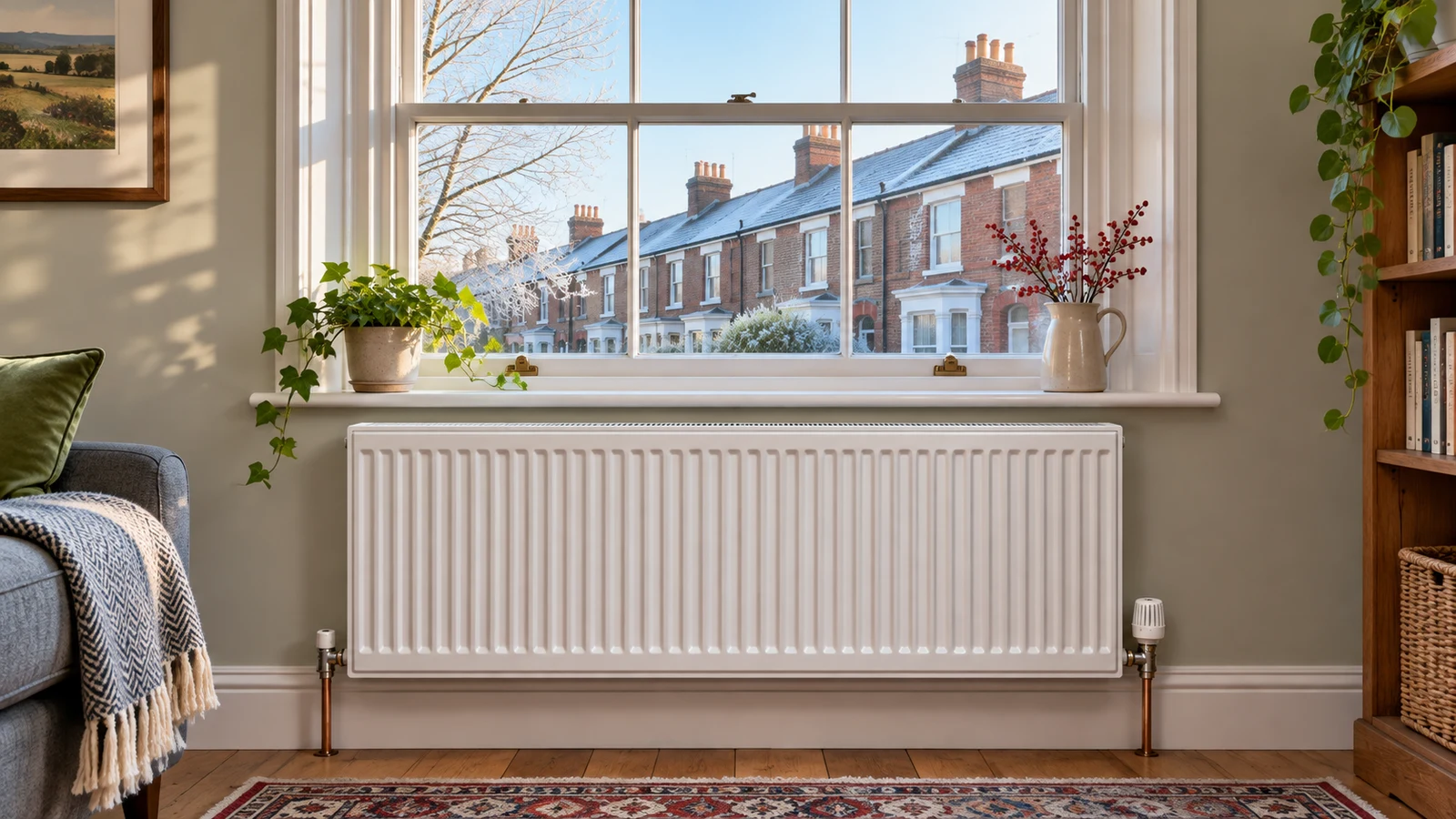
Two homes at the same asking price can leave you with very different heating and improvement costs. The energy performance certificate (EPC) gives you somewhere to start. Read it before the viewing so you know which details to check in person.
Find the certificate for the exact address
Use the official energy certificate search for England, Wales and Northern Ireland. Check the address, including the flat number, and note when the assessment took place. In Scotland, ask for the energy report in the Home Report, where one is available.
Read the current rating and the recommendations
Compare the current rating with the potential rating and read which measures the assessor recommends. Ask what has changed since the assessment. If the seller says the loft was insulated or the heating system was replaced, ask what work was done, when and whether any paperwork is available.
Check the parts that matter at the viewing
Ask what heats the home and its hot water, where the controls are and which rooms the seller finds slowest to warm. For a flat, ask who is responsible for windows, external walls and any shared heating. Before budgeting for work, establish whether you can arrange it yourself and whether other owners or a managing agent would need to be involved.
Compare costs on the same basis
Use the EPC estimates as a comparison point. Your actual bills will depend on factors including your tariff, how warm you keep the home and when you use it. If an improvement matters to your budget, get a quote for that address and ask what else the work would involve. Keep immediate repairs and the improvements you could defer on separate lines in your budget.
Planning viewings? Use the property viewing checklist alongside the Chester buying guide or the Edinburgh buying guide.